
The evolution of casinos From ancient games to modern gambling hubs
The Origins of Gambling
The concept of gambling dates back thousands of years, with evidence found in ancient civilizations such as Mesopotamia and China. Early games included rudimentary forms of dice and betting on events, which laid the groundwork for what we now recognize as gambling, including water polo betting sites. These activities were not just about chance; they held cultural significance, often linked to rituals and societal gatherings.
In ancient Rome, gambling became more organized, with specific games and regulations. The Roman Empire’s embrace of gambling contributed to its popularity, as citizens participated in betting on gladiatorial contests and races. This era marked the transition from simple games of chance to more structured forms of gambling, setting the stage for future developments.
The Middle Ages and Renaissance Gambling
The Middle Ages saw a shift in the perception of gambling, with an increase in the influence of the church, which often condemned gambling as immoral. However, clandestine gambling continued, with card games gaining popularity during this period. The invention of playing cards in the 14th century marked a significant evolution in gambling, providing new avenues for games and betting.
The Renaissance brought about a cultural revival and a resurgence in gambling activities. The establishment of gambling houses became common in various European countries. These establishments often featured dice games and card tables, allowing patrons to engage in social and recreational gambling, thus solidifying gambling’s status as a popular pastime.
The Birth of Modern Casinos
The 17th and 18th centuries witnessed the emergence of modern casinos, particularly in Italy with the establishment of the first official casino, the Ridotto, in Venice. This marked a significant evolution in the casino concept, transforming them into structured venues for gambling. The Ridotto was designed for the nobility, emphasizing the luxurious experience of gambling.
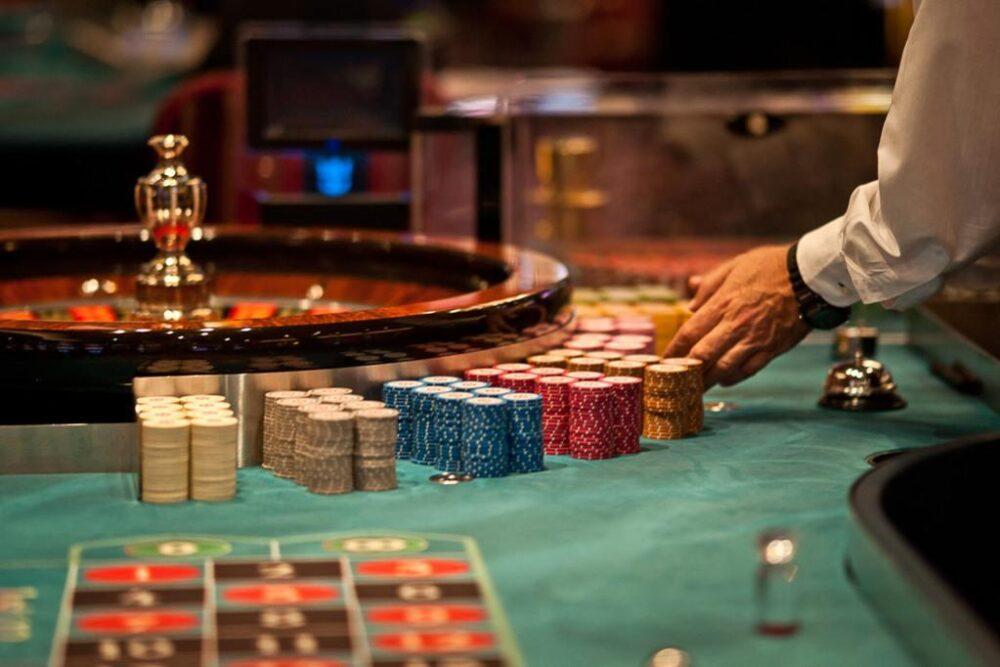
As the idea of casinos spread throughout Europe, they became symbols of opulence and high society. The influx of tourists to cities like Monte Carlo and Baden-Baden further popularized casinos, paving the way for the glamorous establishments we associate with casinos today. This period also saw the introduction of various games, including roulette and baccarat, which remain favorites in modern gambling venues.
The Rise of Online Gambling
The late 20th century ushered in the digital age, revolutionizing the gambling industry with the advent of online casinos. The introduction of the internet allowed players to access a wide range of games from the comfort of their homes, making gambling more accessible than ever. This evolution democratized the experience, attracting a new generation of players.
Online gambling platforms have continued to innovate, offering diverse gaming options and incorporating features like live dealer games to replicate the casino atmosphere. This shift has not only expanded the reach of gambling but has also raised concerns about responsible gambling practices, necessitating measures to protect players and promote safe gambling behaviors.

Exploring Responsible Gambling
As gambling has evolved into a widespread and accessible activity, the importance of responsible gambling has become increasingly apparent. Organizations and websites dedicated to gambling have emerged, providing resources and support for those seeking to engage in gambling responsibly. These platforms offer tips and tools to help players make informed choices and set limits on their gambling activities.
Responsible gambling encompasses understanding the risks, recognizing signs of problem gambling, and knowing when to seek help. As the gambling landscape continues to change, promoting these principles is vital to ensure that players can enjoy their experiences safely and sustainably. The industry is now focusing on creating a culture that values responsible gambling alongside the thrill of the game.
MAR